
My mk3 minibus is converted into a camper. It still has windows all the way around. It's not reregistered as a camper tho. Still down as a minibus. What's the legal max speed for single carriage roads (presuming they're 60mph) and motorways? The Gov website isn't very explanatory. Mine is a swb, so I think it would be classed as a light van.
And is it legal to have a drink, alcohol I mean, and sleep in it whilst in possession of the keys?
*NOW BOOKED FOR 2026* Transitmania 17 @ Santa Pod 17th to 19th July 2026 *ALL DETAILS HERE*
Drive Drink and Sleep. Is it legal?
Moderator: Luke
70 posts
• Page 1 of 5 • 1, 2, 3, 4, 5
Drive Drink and Sleep. Is it legal?
 by Clarkyboy » Mon Jun 18, 2012 9:57 pm
- Clarkyboy
- Transit Addict

- Posts: 30
- Joined: Fri Jun 15, 2012 12:13 am
- Location: Living in Hove
Re: Drive Drink and Sleep. Is it legal?
by Mike » Mon Jun 18, 2012 10:18 pm
Clarkyboy wrote:And is it legal to have a drink, alcohol I mean, and sleep in it whilst in possession of the keys?
Not if you're over the drink drive limit.
- Mike
- Wind up merchant!
- Posts: 19592
- Joined: Tue Feb 13, 2007 11:08 pm
- Location: HP17 0UZ
Re: Drive Drink and Sleep. Is it legal?
by duvet » Mon Jun 18, 2012 10:19 pm
Any person who is accused of being in charge of a motor vehicle while unfit through drink or drugs will have a defence to the charge if he can show that at the time of the offence there was no likelihood of his driving the motor vehicle. The court will look at various factors to decide whether this was the case or not, including whether the keys were in the ignition, whether the car was running etc. These do not conclusively prove that the person was in charge of the vehicle for the purposes of the law, because the intention to drive must be proven according to the facts.
There is no precise definition as to what constitutes being in charge of a motor vehicle. It seems to be assumed that somebody must be in charge of a vehicle at any given time, unless the car is locked away in a garage or the owner, who has the only keys, is miles away from it [1]. If the defendant is the owner or in possession of the vehicle or has recently driven it, he or she is in charge, unless he or she has put the vehicle in the charge of someone else [2]; control over the car keys is a good indication of being in charge [3]. If the defendant is in none of these categories, but is seated inside the vehicle or is in any other way involved with it, the test as to whether he or she is in charge of it rests upon consideration of all the circumstances, including:
(a) exactly where is the defendant in the vehicle, or how far is he or she from it?
(b) what was the defendant doing at the relevant time?
© has the defendant in his or her possession a key to fit the ignition?
(d) is there any evidence of an intention to take control of the car by driving or otherwise?
(e) is any other person in, at, or near the vehicle and if so, how does he or she satisfy any of these tests?
The court is not limited to these factors and will reach its decision as a question of fact and degree [4]. The defendant can be 'in charge' of a vehicle when neither driving nor attempting to drive it. In DPP v Bate [5] the justices acquitted the defendant on a submission of no case to answer because they were satisfied from what he had told the police that he had no intention of driving. A retrial was ordered. The defendant was clearly in charge of the vehicle. It was for him to prove, by calling relevant evidence, that there was no likelihood of him driving while his alcohol level was over the legal limit.
edited out the boring case law....
bottom line is that most sensible coppers wouldn't bother nicking you for it if you explained the reasons for sleeping in a vehicle designed for sleeping in rather than a car and unlikelyhood of driving but sensible coppers are a dieing breed. close the curtains and how would they know you were in there?
There is no precise definition as to what constitutes being in charge of a motor vehicle. It seems to be assumed that somebody must be in charge of a vehicle at any given time, unless the car is locked away in a garage or the owner, who has the only keys, is miles away from it [1]. If the defendant is the owner or in possession of the vehicle or has recently driven it, he or she is in charge, unless he or she has put the vehicle in the charge of someone else [2]; control over the car keys is a good indication of being in charge [3]. If the defendant is in none of these categories, but is seated inside the vehicle or is in any other way involved with it, the test as to whether he or she is in charge of it rests upon consideration of all the circumstances, including:
(a) exactly where is the defendant in the vehicle, or how far is he or she from it?
(b) what was the defendant doing at the relevant time?
© has the defendant in his or her possession a key to fit the ignition?
(d) is there any evidence of an intention to take control of the car by driving or otherwise?
(e) is any other person in, at, or near the vehicle and if so, how does he or she satisfy any of these tests?
The court is not limited to these factors and will reach its decision as a question of fact and degree [4]. The defendant can be 'in charge' of a vehicle when neither driving nor attempting to drive it. In DPP v Bate [5] the justices acquitted the defendant on a submission of no case to answer because they were satisfied from what he had told the police that he had no intention of driving. A retrial was ordered. The defendant was clearly in charge of the vehicle. It was for him to prove, by calling relevant evidence, that there was no likelihood of him driving while his alcohol level was over the legal limit.
edited out the boring case law....
bottom line is that most sensible coppers wouldn't bother nicking you for it if you explained the reasons for sleeping in a vehicle designed for sleeping in rather than a car and unlikelyhood of driving but sensible coppers are a dieing breed. close the curtains and how would they know you were in there?
Last edited by duvet on Mon Jun 18, 2012 10:59 pm, edited 2 times in total.
ex-network rail 2007 mk7 100 LWB 350 8 seat.
buses stop at bus stations, trains stop at train stations....... on my desk i've got a workstation
buses stop at bus stations, trains stop at train stations....... on my desk i've got a workstation
- duvet
- Transit Devotee

- Posts: 781
- Joined: Mon Apr 09, 2012 7:16 pm
Re: Drive Drink and Sleep. Is it legal?
by Mike » Mon Jun 18, 2012 10:28 pm
- Mike
- Wind up merchant!
- Posts: 19592
- Joined: Tue Feb 13, 2007 11:08 pm
- Location: HP17 0UZ
Re: Drive Drink and Sleep. Is it legal?
by trigger » Mon Jun 18, 2012 10:53 pm
Mike S wrote:Clarkyboy wrote:And is it legal to have a drink, alcohol I mean, and sleep in it whilst in possession of the keys?
Not if you're over the drink drive limit.
Should be ok if you give the keys to someone else, if parked outside a pub give the keys to the barman to look after
2013 mk7 Transit 125 Limited swb
1982 mk2 Granada 2.9 injection special Cosworth
Mk5 Transit the daddy
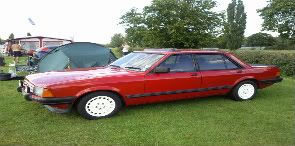
1982 mk2 Granada 2.9 injection special Cosworth
Mk5 Transit the daddy
-
trigger - Transit Extremist

- Posts: 5325
- Joined: Sat Jun 07, 2008 10:24 am
- Location: Hertfordshire
Re: Drive Drink and Sleep. Is it legal?
by suffolkboi » Mon Jun 18, 2012 10:57 pm
This is an interesting issue. Are there different rules for registered campers and non registered?
Surely sleeping in a bed in the back, is different to sitting in the drivers seat? Probably depends on what copper finds you..
Surely sleeping in a bed in the back, is different to sitting in the drivers seat? Probably depends on what copper finds you..
Mk5 Camper build - Work in progress
viewtopic.php?f=58&t=104595
viewtopic.php?f=58&t=104595
- suffolkboi
- Transit Aficionado

- Posts: 162
- Joined: Fri Feb 03, 2012 3:57 pm
Re: Drive Drink and Sleep. Is it legal?
by Clarkyboy » Mon Jun 18, 2012 10:58 pm
Yes, I don't think you'd get done. That guy was only done for not giving a breath test. Even though his key were in the ignition and he was sitting behind the wheel his lawyer said he'd tell him to plead not guilty had he been arrested for 'in charge of a motor vehicle'. so I think it wouldn't go to court for sleeping in the back in a pulled out bed, drunk (ish) 
- Clarkyboy
- Transit Addict
- Posts: 30
- Joined: Fri Jun 15, 2012 12:13 am
- Location: Living in Hove
Re: Drive Drink and Sleep. Is it legal?
by Mike » Mon Jun 18, 2012 10:59 pm
trigger wrote:Mike S wrote:Clarkyboy wrote:And is it legal to have a drink, alcohol I mean, and sleep in it whilst in possession of the keys?
Not if you're over the drink drive limit.
Should be ok if you give the keys to someone else, if parked outside a pub give the keys to the barman to look after
You wouldn't be in possession of the keys then Trig

- Mike
- Wind up merchant!
- Posts: 19592
- Joined: Tue Feb 13, 2007 11:08 pm
- Location: HP17 0UZ
Re: Drive Drink and Sleep. Is it legal?
by Mike » Mon Jun 18, 2012 11:00 pm
Lots of ifs and buts but personally I can go without a drink if there's even a remote chance that I could lose my licence.
- Mike
- Wind up merchant!
- Posts: 19592
- Joined: Tue Feb 13, 2007 11:08 pm
- Location: HP17 0UZ
Re: Drive Drink and Sleep. Is it legal?
by trigger » Mon Jun 18, 2012 11:09 pm
Mike, not if i intended to sleep in the vehicle while pissed
2013 mk7 Transit 125 Limited swb
1982 mk2 Granada 2.9 injection special Cosworth
Mk5 Transit the daddy
1982 mk2 Granada 2.9 injection special Cosworth
Mk5 Transit the daddy
-
trigger - Transit Extremist
- Posts: 5325
- Joined: Sat Jun 07, 2008 10:24 am
- Location: Hertfordshire
Re: Drive Drink and Sleep. Is it legal?
by trigger » Mon Jun 18, 2012 11:23 pm
Mike i should know, 16 years ago i got done for drunk in charge
2013 mk7 Transit 125 Limited swb
1982 mk2 Granada 2.9 injection special Cosworth
Mk5 Transit the daddy
1982 mk2 Granada 2.9 injection special Cosworth
Mk5 Transit the daddy
-
trigger - Transit Extremist
- Posts: 5325
- Joined: Sat Jun 07, 2008 10:24 am
- Location: Hertfordshire
Re: Drive Drink and Sleep. Is it legal?
by Luke » Mon Jun 18, 2012 11:30 pm
i've slept in my camper in car parks and on the road loads of times when i'm over the drink drive limit - and it's always concerned me too, what ive always done is to 'hide' the keys - even just putting them under the seat anywhere just not in my pocket and certanly not in the ignition - so if i was asked by police i would say i havent got the keys 
interesting to know that you cant refuse to give a breathalyser test then plead not guilty
interesting to know that you cant refuse to give a breathalyser test then plead not guilty
-
Luke - Site Admin
- Posts: 44530
- Joined: Wed Mar 02, 2005 12:53 am
- Location: Rotherham, Yorkshire!!
Re: Drive Drink and Sleep. Is it legal?
by trigger » Mon Jun 18, 2012 11:35 pm
I think in a camper you would more likely get away with it as they are designed for sleeping in where a car is not
2013 mk7 Transit 125 Limited swb
1982 mk2 Granada 2.9 injection special Cosworth
Mk5 Transit the daddy
1982 mk2 Granada 2.9 injection special Cosworth
Mk5 Transit the daddy
-
trigger - Transit Extremist
- Posts: 5325
- Joined: Sat Jun 07, 2008 10:24 am
- Location: Hertfordshire
Re: Drive Drink and Sleep. Is it legal?
by knighty1981 » Tue Jun 19, 2012 12:40 am
I've been thinking about the drink/sleep thing since I got my camper....
I'm happy just drinking coke if I need to drive, or if I need to be out early in the morning and drive...
but when I do go for a drink... it would be nice to take the caper... part it up... go out.... drunk.... go back to the camper, have some food and go to sleep
think I might get one of those (crap) steering wheel lock things to leave on.... just to point it out if any coppers do take an interest
I'm happy just drinking coke if I need to drive, or if I need to be out early in the morning and drive...
but when I do go for a drink... it would be nice to take the caper... part it up... go out.... drunk.... go back to the camper, have some food and go to sleep
think I might get one of those (crap) steering wheel lock things to leave on.... just to point it out if any coppers do take an interest
- knighty1981
- Transit Devotee
- Posts: 1293
- Joined: Wed Aug 05, 2009 12:33 am
70 posts
• Page 1 of 5 • 1, 2, 3, 4, 5
Return to Camper vans and conversions
Who is online
Users browsing this forum: No registered users