
Hello
Can you please help me find out about my mk3 Reimo Knauss kamper van with roof tent? I wonder how much is on the plate and what was added post production.
It's got
Two batteries
Extra switch/fuse panel above rear mirror
Webasto
Extra fuses behind glove box
Rear seat is camper style that folds into bed and floor is plywood with aluminium rails for it.
Secondly what does TAS stand for in Type on vin plate ?
*NOW BOOKED FOR 2026* Transitmania 17 @ Santa Pod 17th to 19th July 2026 *ALL DETAILS HERE*
Mk3 Transit SVO Codes (special vehicle order) Help.
Moderator: Luke
40 posts
• Page 3 of 3 • 1, 2, 3
Re: Mk3 Transit SVO Codes (special vehicle order) Help.
 by ChudsonPL » Wed Jun 01, 2022 5:32 pm
You do not have the required permissions to view the files attached to this post.
- ChudsonPL
- Newbie
- Posts: 2
- Joined: Sat Feb 06, 2021 10:05 pm
Re: Mk3 Transit SVO Codes (special vehicle order) Help.
by ChudsonPL » Wed Jun 01, 2022 5:50 pm
Hello
I hope you could help me to decode mine too:
it's mk3 2,5D with Reimo Knauss Camper roof tent and interior ( camper rear seat/bed , sink and gas stove )
I wonder what was ordered from ford and what was added later.
No power steering , two batteries, extra switches with fuses for camper stuff above rear mirror, webasto , extra fuses behind glove box ( not connected , something was cut off )
Secondly what does "TAS" stand for on vin plate in the bracket "type" ?
I hope you could help me to decode mine too:
it's mk3 2,5D with Reimo Knauss Camper roof tent and interior ( camper rear seat/bed , sink and gas stove )
I wonder what was ordered from ford and what was added later.
No power steering , two batteries, extra switches with fuses for camper stuff above rear mirror, webasto , extra fuses behind glove box ( not connected , something was cut off )
Secondly what does "TAS" stand for on vin plate in the bracket "type" ?
You do not have the required permissions to view the files attached to this post.
- ChudsonPL
- Newbie
- Posts: 2
- Joined: Sat Feb 06, 2021 10:05 pm
Re: Mk3 Transit SVO Codes (special vehicle order) Help.
by ColinJack » Mon Apr 14, 2025 7:12 pm
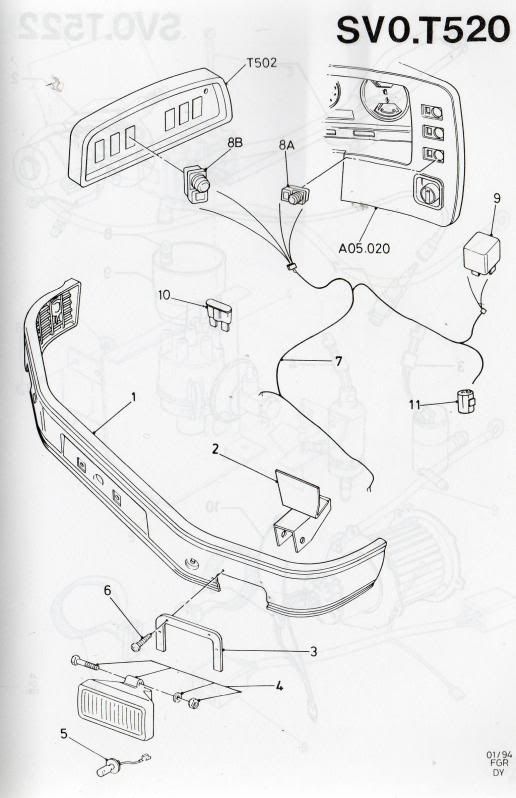
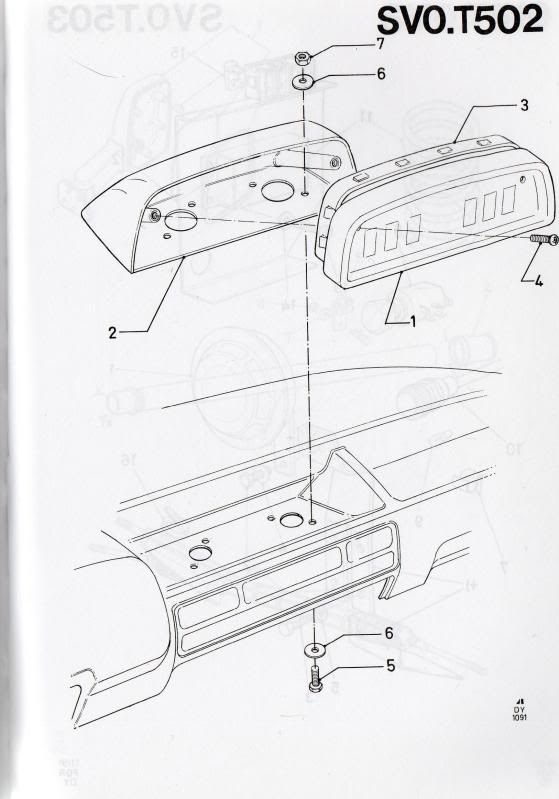
AlanN wrote:Just a few images of SVO for MK3 and MK4. Not sure what was carried over to the MK5
Under bumper fog kit
Towing Leveling kit?
Dash top pod

Hi Alan,
Been following you on FB - hope all coming together now?
Resurrecting an old thread!

I am trying to fit fogs to my mk3 van. They were fitted originally so got the bumper cutouts etc. Struggling with wiring. Don't suppose you have a VSO wiring diagram with colour codes amongst your archive have you?
All the best
Colin
1989 Mk3 Reimo Camper
1980 Mk2 Holdsworth Camper
I don't regret growing old - it is a privilege denied to many.
The Journey is the Reward. (Chinese Proverb)
1980 Mk2 Holdsworth Camper
I don't regret growing old - it is a privilege denied to many.
The Journey is the Reward. (Chinese Proverb)
-

ColinJack - MK3 Massive
- Posts: 1356
- Joined: Tue Feb 14, 2012 8:00 pm
- Location: Norfolk
Re: Mk3 Transit SVO Codes (special vehicle order) Help.
by metalworker0 » Tue Apr 15, 2025 9:27 pm
Those diagrams, are so clear with lots of details and explain in an instant what you want to know, far better than fords latest offerings.. why cant they do it like that anymore!
all the best.mark
all the best.mark
-

metalworker0 - Transit Extremist

- Posts: 6097
- Joined: Wed May 05, 2021 4:43 pm
- Location: Prestatyn
Re: Mk3 Transit SVO Codes (special vehicle order) Help.
by ColinJack » Tue Apr 15, 2025 10:00 pm
metalworker0 wrote:Those diagrams, are so clear with lots of details and explain in an instant what you want to know, far better than fords latest offerings.. why cant they do it like that anymore!
all the best.mark
They are indeed but the previous owner of our van removed the spots and I want to pick up the wires to reconnect them. I need some SVO colour codes for the spots. Where is the relay (9) and the fuse (10) - got the switch on the dash .. found a couple of loose wires under the bonnet (bk/y and br) and (bk and br) .. but no power on them.
1989 Mk3 Reimo Camper
1980 Mk2 Holdsworth Camper
I don't regret growing old - it is a privilege denied to many.
The Journey is the Reward. (Chinese Proverb)
1980 Mk2 Holdsworth Camper
I don't regret growing old - it is a privilege denied to many.
The Journey is the Reward. (Chinese Proverb)
-
ColinJack - MK3 Massive
- Posts: 1356
- Joined: Tue Feb 14, 2012 8:00 pm
- Location: Norfolk
Re: Mk3 Transit SVO Codes (special vehicle order) Help.
by MinorMatt » Wed Apr 16, 2025 9:42 am
ColinJack wrote:metalworker0 wrote:Those diagrams, are so clear with lots of details and explain in an instant what you want to know, far better than fords latest offerings.. why cant they do it like that anymore!
all the best.mark
They are indeed but the previous owner of our van removed the spots and I want to pick up the wires to reconnect them. I need some SVO colour codes for the spots. Where is the relay (9) and the fuse (10) - got the switch on the dash .. found a couple of loose wires under the bonnet (bk/y and br) and (bk and br) .. but no power on them.
The fogs had a standalone harness, the relay was under the bonnet - but I can't remember where
Lucas Laser 2000/IDS
95 Pre Production DRW TD Highcube
95 Hallmark
96 150 100PS LWB Hi-Top
96 Autosleeper Duetto
06 Mk7 (scrap)
09 140PS T330S 2.2
Gaffa tape is like the force, it has a light side, a dark side, and it holds the universe together
95 Pre Production DRW TD Highcube
95 Hallmark
96 150 100PS LWB Hi-Top
96 Autosleeper Duetto
06 Mk7 (scrap)
09 140PS T330S 2.2
Gaffa tape is like the force, it has a light side, a dark side, and it holds the universe together
-

MinorMatt - Transit Extremist
- Posts: 24611
- Joined: Mon Sep 17, 2007 7:53 pm
- Location: Herefordshire/Gloucestershire/Berkshire
Re: Mk3 Transit SVO Codes (special vehicle order) Help.
by ColinJack » Wed Apr 16, 2025 9:48 am
MinorMatt wrote:
The fogs had a standalone harness, the relay was under the bonnet - but I can't remember where
Thanks Matt - I will have scratch around.
Colin
1989 Mk3 Reimo Camper
1980 Mk2 Holdsworth Camper
I don't regret growing old - it is a privilege denied to many.
The Journey is the Reward. (Chinese Proverb)
1980 Mk2 Holdsworth Camper
I don't regret growing old - it is a privilege denied to many.
The Journey is the Reward. (Chinese Proverb)
-
ColinJack - MK3 Massive
- Posts: 1356
- Joined: Tue Feb 14, 2012 8:00 pm
- Location: Norfolk
Re: Mk3 Transit SVO Codes (special vehicle order) Help.
by FredoN » Sun Aug 03, 2025 9:35 am
Hey ChudsonPL,
Nice to see another Reimo Knauss owner here! From what you’ve described, it sounds like your van had a factory base model with minimal factory extras (no power steering, standard electrics) and then received the camper conversion by Reimo post-production.
The dual batteries, Webasto heater, extra fuse panels, and rear seat-bed setup are typical Reimo install features. The TAS code on the VIN plate probably refers to a specific type approval for camper conversions in certain markets—I've seen similar codes linked to homologation requirements for aftermarket fit-outs.
As for figuring out what was done by Ford and what was Reimo’s handiwork, look for signs like non-factory wiring looms (usually added under the dash or above the mirror for camper circuits), and riveted plates inside the door jambs with Reimo/Knauss info. The plywood floor with rails is 100% part of the Reimo package. Ford’s SVO program would typically handle things like windows, special seating brackets, or structural mods but the camper interior work was handled by the converters.
Regarding your roof tent, if you mean a pop-top or high-top, that would have been fitted by Reimo, not Ford. If it’s an external roof tent added on top of the Reimo pop-top, that would be a later modification by a previous owner.
For anyone thinking of adding extra sleeping space or dealing with tight interiors, a good solution is looking at a tente de toit voiture. It’s a great way to expand capacity without drastically modifying the van itself.
Cheers,
Nice to see another Reimo Knauss owner here! From what you’ve described, it sounds like your van had a factory base model with minimal factory extras (no power steering, standard electrics) and then received the camper conversion by Reimo post-production.
The dual batteries, Webasto heater, extra fuse panels, and rear seat-bed setup are typical Reimo install features. The TAS code on the VIN plate probably refers to a specific type approval for camper conversions in certain markets—I've seen similar codes linked to homologation requirements for aftermarket fit-outs.
As for figuring out what was done by Ford and what was Reimo’s handiwork, look for signs like non-factory wiring looms (usually added under the dash or above the mirror for camper circuits), and riveted plates inside the door jambs with Reimo/Knauss info. The plywood floor with rails is 100% part of the Reimo package. Ford’s SVO program would typically handle things like windows, special seating brackets, or structural mods but the camper interior work was handled by the converters.
Regarding your roof tent, if you mean a pop-top or high-top, that would have been fitted by Reimo, not Ford. If it’s an external roof tent added on top of the Reimo pop-top, that would be a later modification by a previous owner.
For anyone thinking of adding extra sleeping space or dealing with tight interiors, a good solution is looking at a tente de toit voiture. It’s a great way to expand capacity without drastically modifying the van itself.
Cheers,
- FredoN
- Newbie
- Posts: 2
- Joined: Sun Aug 03, 2025 9:32 am
Re: Mk3 Transit SVO Codes (special vehicle order) Help.
by FredoN » Wed Aug 13, 2025 5:55 am
Nice to see another Reimo Knauss owner here! From your description, it sounds like your van started life as a factory base model with minimal extras (no power steering, standard electrics) before receiving its camper conversion from Reimo post-production.
The dual batteries, Webasto heater, extra fuse panels, and rear seat-bed setup are all classic signs of a Reimo installation. The TAS code on the VIN plate likely refers to a specific type approval used for camper conversions in certain markets—I’ve seen similar codes tied to homologation requirements for aftermarket fit-outs.
If you’re trying to determine what was originally done by Ford versus what Reimo handled, check for details like non-factory wiring looms (often added under the dash or above the mirror for camper circuits) and riveted plates in the door jambs with Reimo/Knauss branding. The plywood floor with integrated rails is definitely part of the Reimo package. Ford’s SVO program typically focused on structural work—such as adding windows, special seating brackets, or chassis modifications—while the camper interior was done entirely by the converters.
As for the roof tent, if you’re talking about a pop-top or high-top, that would have been installed by Reimo, not Ford. If it’s an additional roof tent mounted over the existing pop-top, that’s most likely a later modification by a previous owner.
For anyone considering extra sleeping space, a voiture tente de toit is an excellent choice to expand capacity without major modifications. If you also enjoy exploring more remote spots, pairing it with a 4x4 tente de toit can add valuable shade and comfort to your setup. And for long trips, having a pick up tente de toit onboard keeps your food and drinks fresh, making life on the road that much easier.
The dual batteries, Webasto heater, extra fuse panels, and rear seat-bed setup are all classic signs of a Reimo installation. The TAS code on the VIN plate likely refers to a specific type approval used for camper conversions in certain markets—I’ve seen similar codes tied to homologation requirements for aftermarket fit-outs.
If you’re trying to determine what was originally done by Ford versus what Reimo handled, check for details like non-factory wiring looms (often added under the dash or above the mirror for camper circuits) and riveted plates in the door jambs with Reimo/Knauss branding. The plywood floor with integrated rails is definitely part of the Reimo package. Ford’s SVO program typically focused on structural work—such as adding windows, special seating brackets, or chassis modifications—while the camper interior was done entirely by the converters.
As for the roof tent, if you’re talking about a pop-top or high-top, that would have been installed by Reimo, not Ford. If it’s an additional roof tent mounted over the existing pop-top, that’s most likely a later modification by a previous owner.
For anyone considering extra sleeping space, a voiture tente de toit is an excellent choice to expand capacity without major modifications. If you also enjoy exploring more remote spots, pairing it with a 4x4 tente de toit can add valuable shade and comfort to your setup. And for long trips, having a pick up tente de toit onboard keeps your food and drinks fresh, making life on the road that much easier.
- FredoN
- Newbie
- Posts: 2
- Joined: Sun Aug 03, 2025 9:32 am
Re: Mk3 Transit SVO Codes (special vehicle order) Help.
by MinorMatt » Wed Aug 13, 2025 8:57 am
This is a useful link for those trying to work out SVO Codes 
https://ford.7zap.com/en/transport/82/no/0/2040/
https://ford.7zap.com/en/transport/82/no/0/2040/
Lucas Laser 2000/IDS
95 Pre Production DRW TD Highcube
95 Hallmark
96 150 100PS LWB Hi-Top
96 Autosleeper Duetto
06 Mk7 (scrap)
09 140PS T330S 2.2
Gaffa tape is like the force, it has a light side, a dark side, and it holds the universe together
95 Pre Production DRW TD Highcube
95 Hallmark
96 150 100PS LWB Hi-Top
96 Autosleeper Duetto
06 Mk7 (scrap)
09 140PS T330S 2.2
Gaffa tape is like the force, it has a light side, a dark side, and it holds the universe together
-
MinorMatt - Transit Extremist
- Posts: 24611
- Joined: Mon Sep 17, 2007 7:53 pm
- Location: Herefordshire/Gloucestershire/Berkshire
40 posts
• Page 3 of 3 • 1, 2, 3
Return to Technical Problems & Questions
Who is online
Users browsing this forum: No registered users